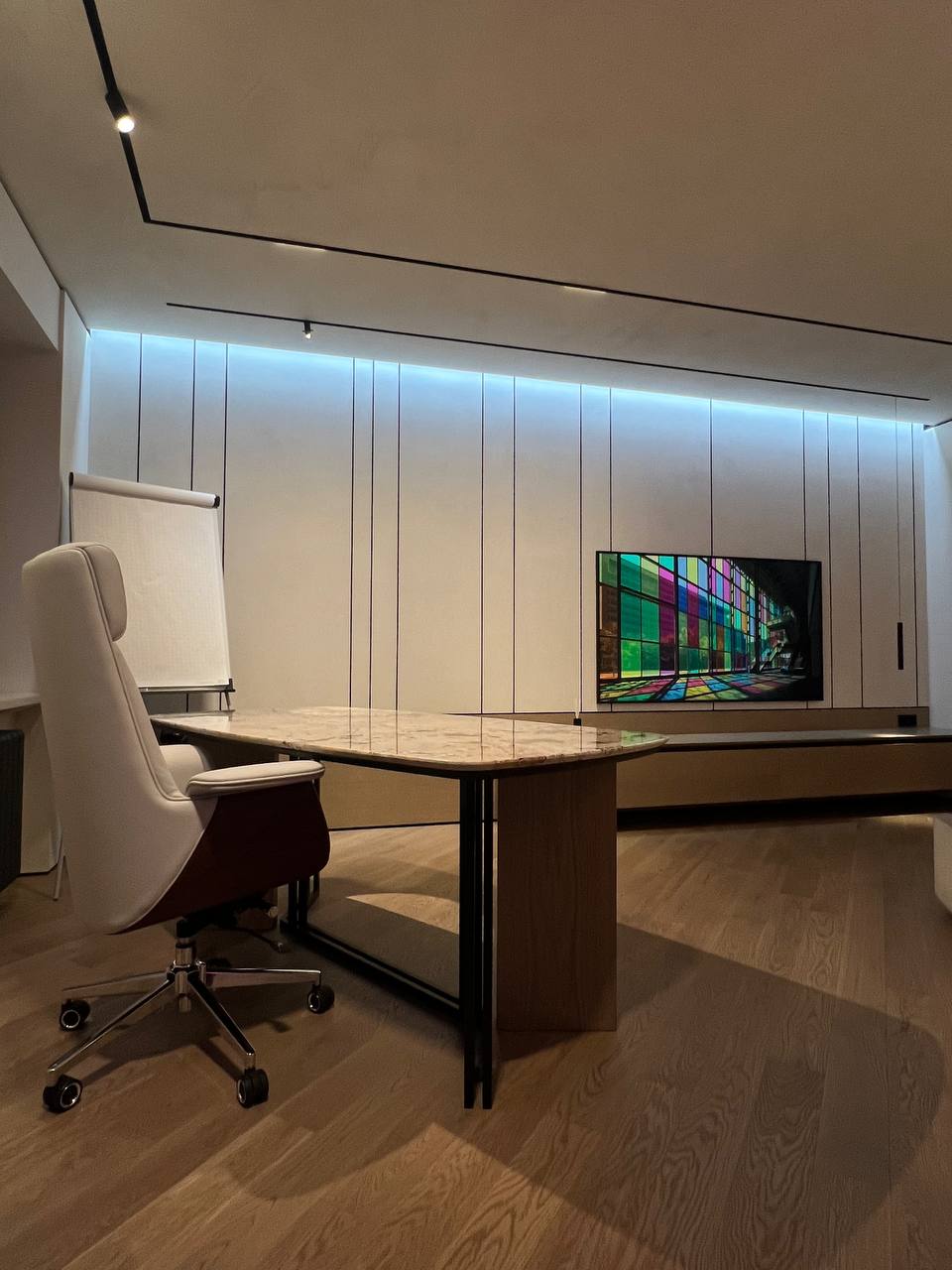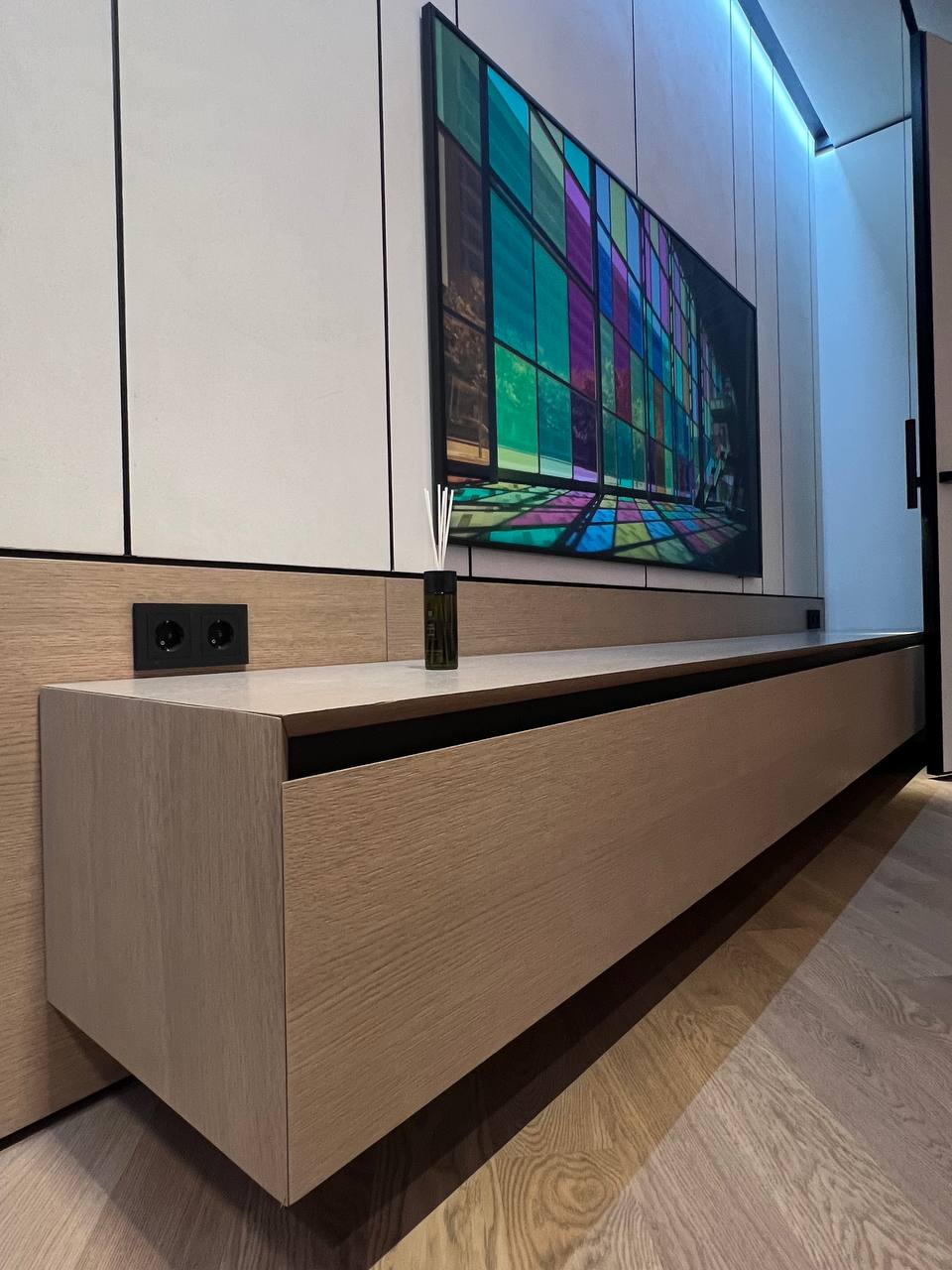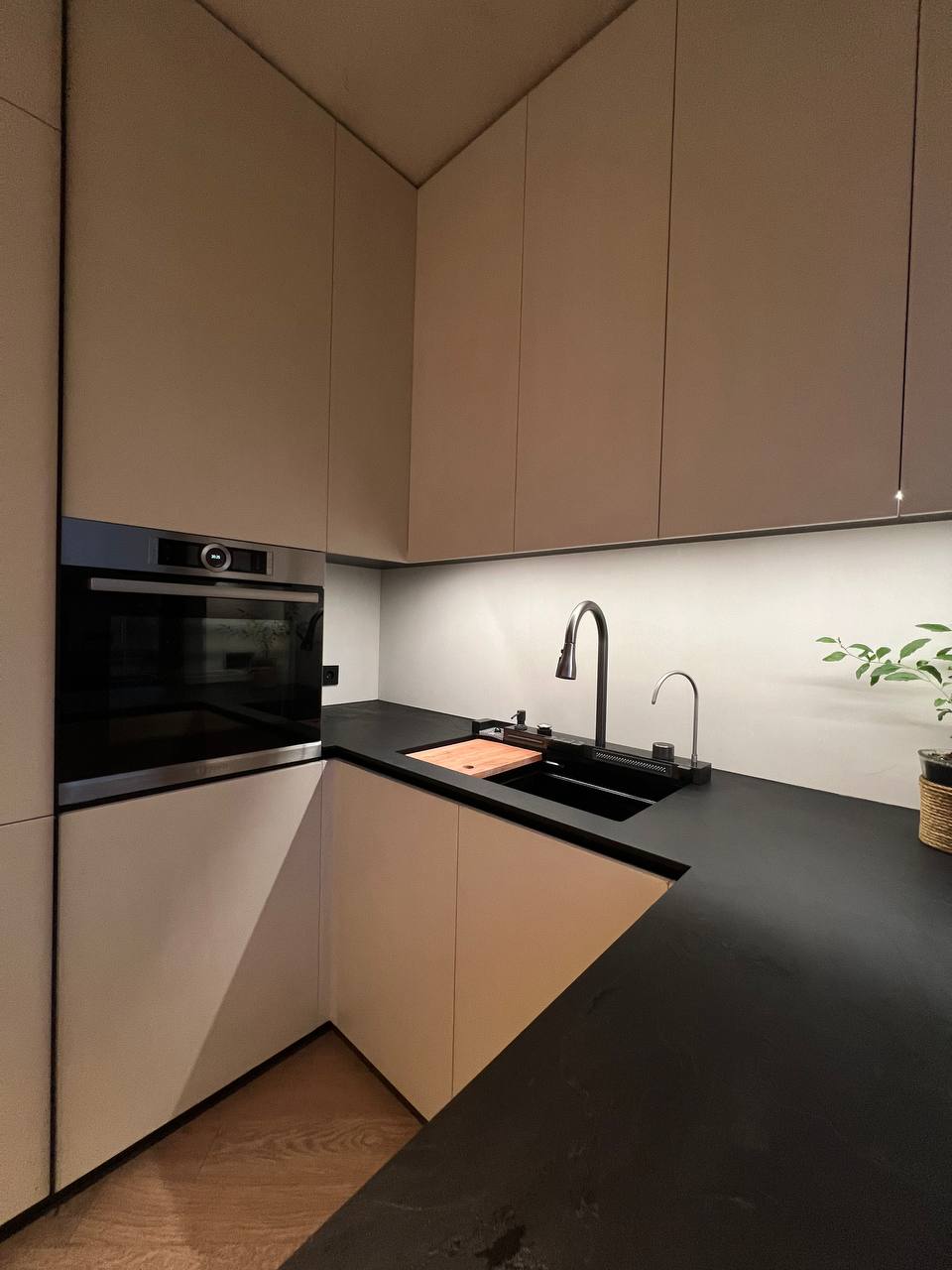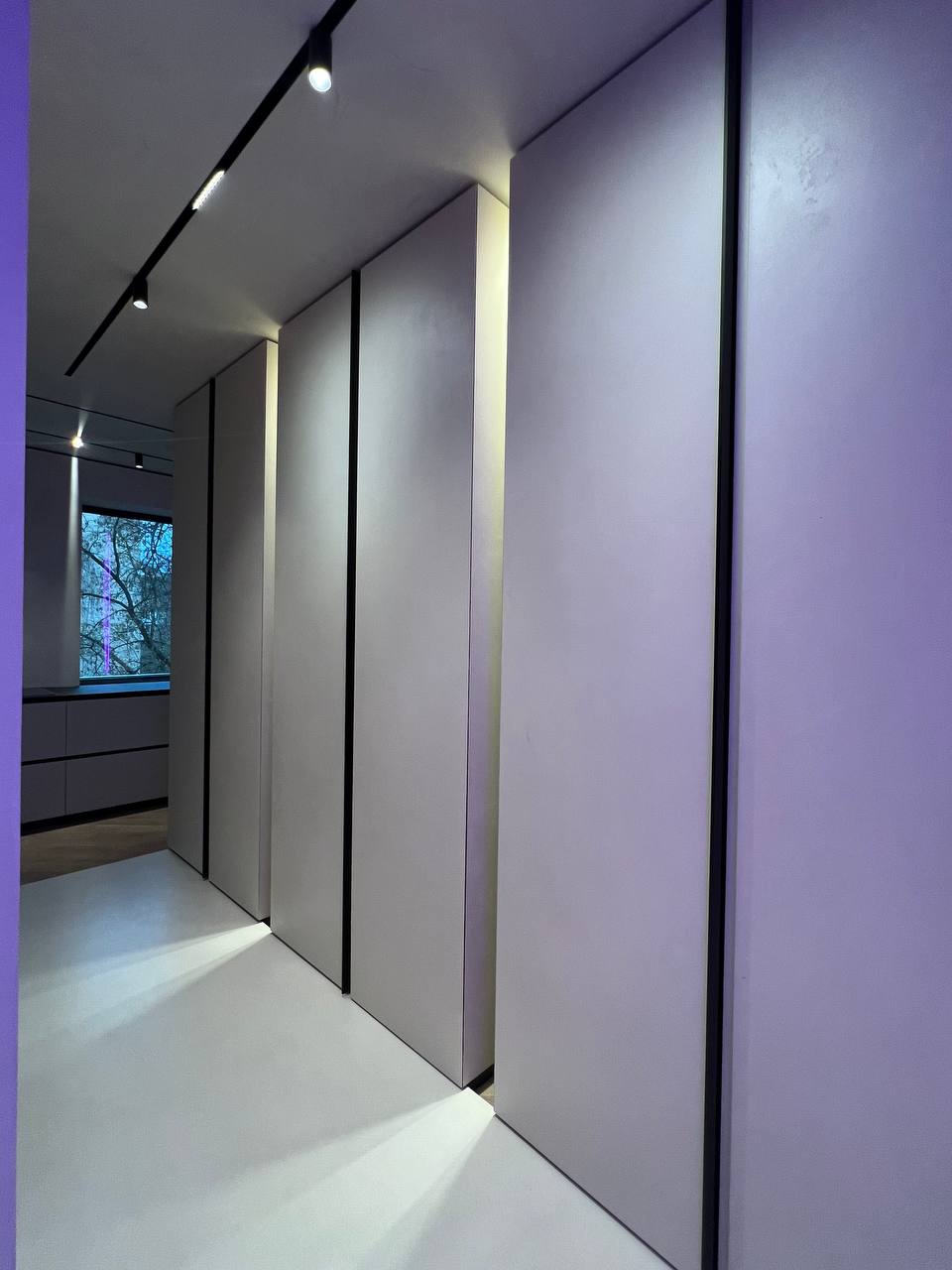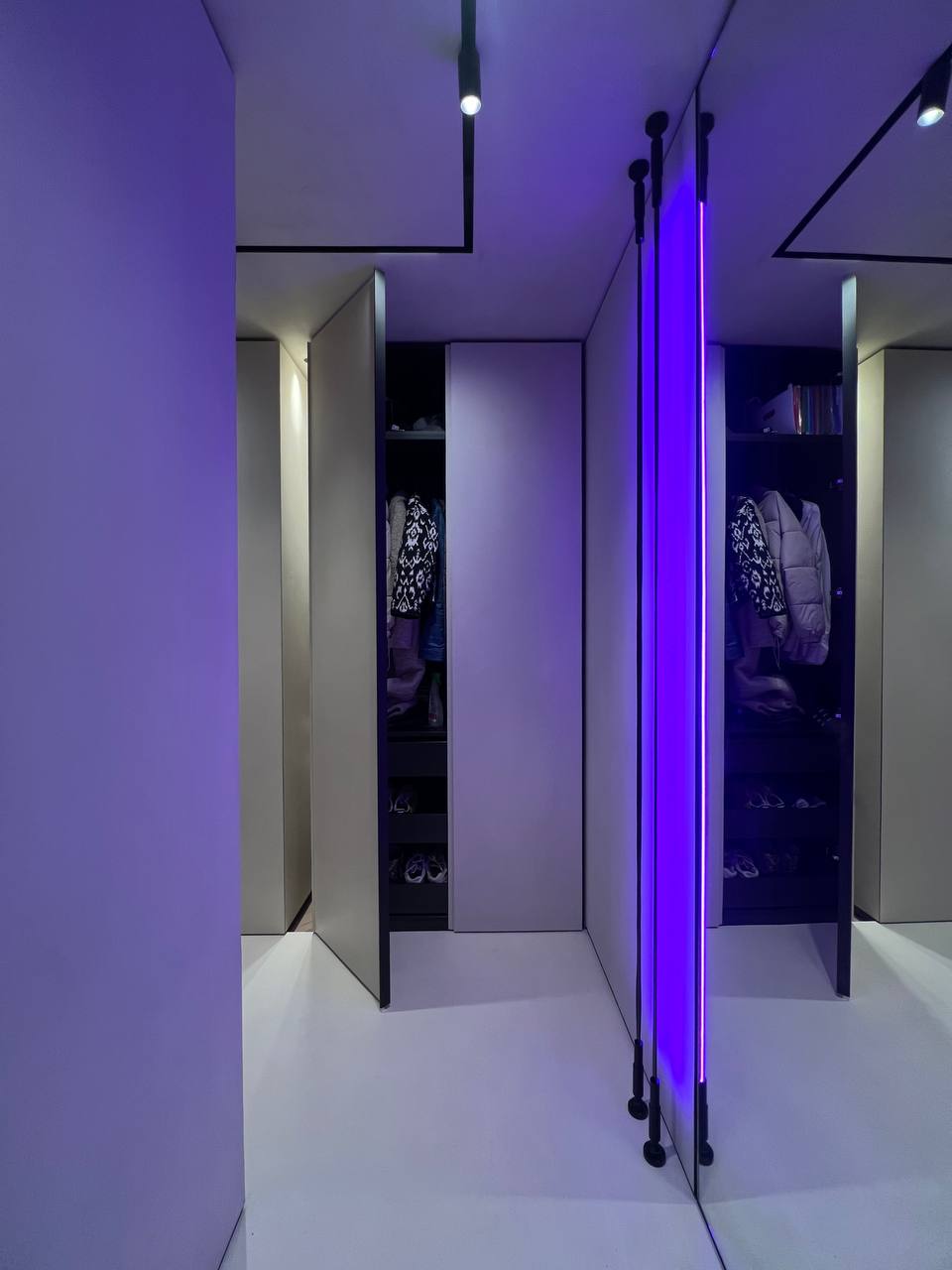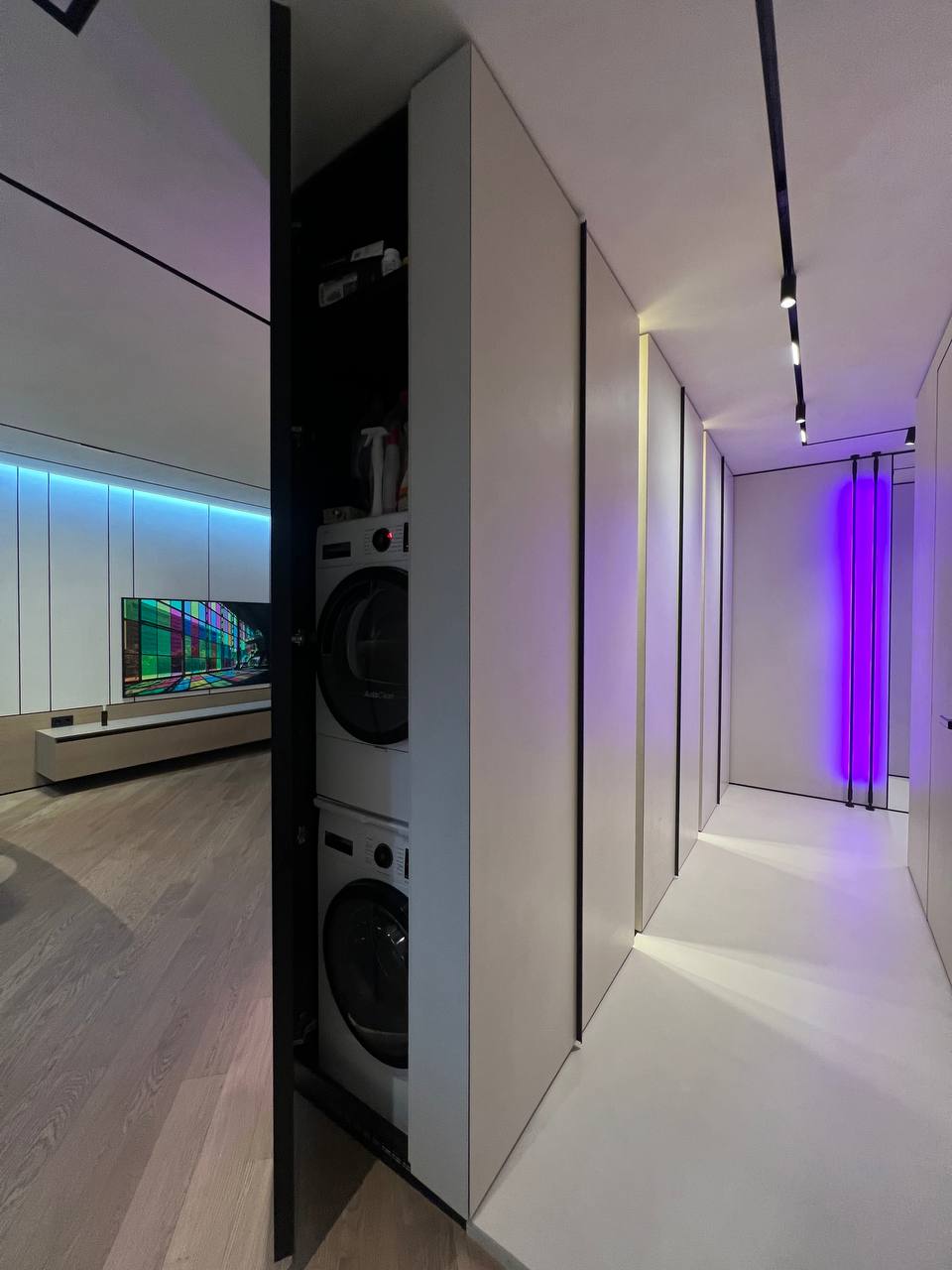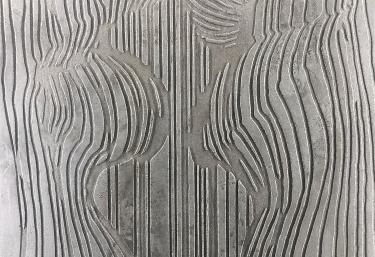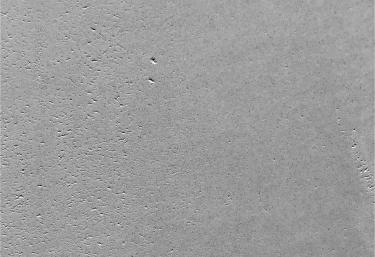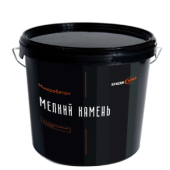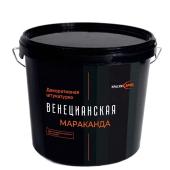


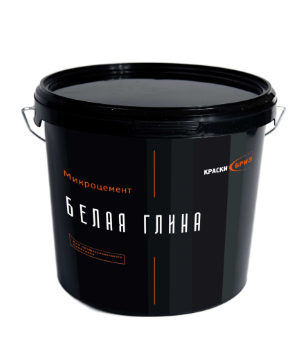
The line includes three materials:
- Microconcrete "Fine Stone"
- Microconcrete "Fine Sand"
- Microcement "White Clay"
All are water-based decorative polymer-cement compounds, designed to create durable, aesthetically refined, and tactilely expressive surfaces.
Thanks to their natural appearance and pleasant-to-the-touch texture, these materials have become widely popular in modern interiors.
Applications
Suitable for use on:
- Floors
- Walls
- Ceilings
- Façades
- High-moisture areas (bathrooms, kitchens, swimming pools)
- Decorative objects and cast architectural elements
Each product carries a name that mirrors corresponding items in the standard decorative plaster line (“Fine Stone,” “Fine Sand,” “White Clay”), helping professionals quickly identify grain size and textural intensity.
General Technical & Performance Characteristics
All materials in the line share the following properties:
✔ Wear-resistant
✔ Eco-friendly
✔ Vapor-permeable
✔ Odor-resistant
✔ Moisture-resistant
Differences lie solely in filler particle size and maximum recommended application thickness.
Design Possibilities
By combining materials from this series, using various application techniques (hand-troweled, machine-applied, multi-layer, smoothed, polished, etc.), and applying color tinting, you can achieve a broad spectrum of visual effects:
- From pronounced textures (concrete, stone, or sand imitations)
- To perfectly smooth, seamless, premium-grade finishes
Finishing Treatment
Completed surfaces must be sealed with a protective topcoat:
- For walls, ceilings, and decorative elements:
Water-based hydrophobic lacquer (matte or gloss) from Kraski Breez (WD-AC-610) - For floors:
Two-component polyurethane lacquer (matte or gloss), offering enhanced resistance to abrasion and mechanical stress
Recommended Wall Application System
1. Substrate Preparation
Applicable on:
- Monolithic concrete (if sound and clean—no extra prep needed)
- Surfaces rendered with cement-sand plaster (rough base)
- Surfaces prepared for painting (Q3–Q4 finish quality)
- Façades and countertops made of moisture-resistant MDF, chipboard, or solid wood (pre-primed)
2. Priming
- Universal Deep-Penetrating Primer (WD-AC-007): 1 coat, 0.1–0.2 kg/m²
- Quartz Primer (WD-AC-558): 1–2 coats, 0.15–0.3 kg/m²
3. Main Coating Application
- Microconcrete (“Fine Stone” / “Fine Sand”) or Microcement (“White Clay”):
1–2 layers, 0.5–2.0 kg/m² (depending on desired thickness and texture)
4. Protective Finishing
- Hydrophobic Gloss Lacquer WD-AC-610 (penetrating layer): 1 coat, 0.10–0.15 kg/m²
- Hydrophobic Lacquer WD-AC-610 (matte or gloss, top layer): 1 coat, 0.05–0.10 kg/m²
Maintenance Guidelines
Care for microconcrete surfaces is similar to care for natural wood parquet:
Do:
- Use neutral pH cleaning agents
- Place entrance mats to reduce abrasive dirt
Don’t:
- Use aggressive chemicals: chlorine, bleach, ammonia, alkaline cleaners, or lime-scale removers—they degrade the protective film
- Allow cleaning agents to sit on the surface for extended periods
- Leave wet rugs, towels, or leaking plant pots—moisture may seep under the finish
- Drag furniture—always lift and carry
- Use hard plastic casters—opt for soft rubber wheels
Furniture Protection:
- Fit legs with felt or rubber pads, especially on metal or sharp supports
Note:
The more textured (anti-slip) the finish, the more demanding the maintenance. Choose surface roughness based on the room’s functional purpose.
Shelf Life
All materials retain their properties for 12 months from the date of manufacture when stored in original, factory-sealed, hermetically closed packaging under standard conditions.