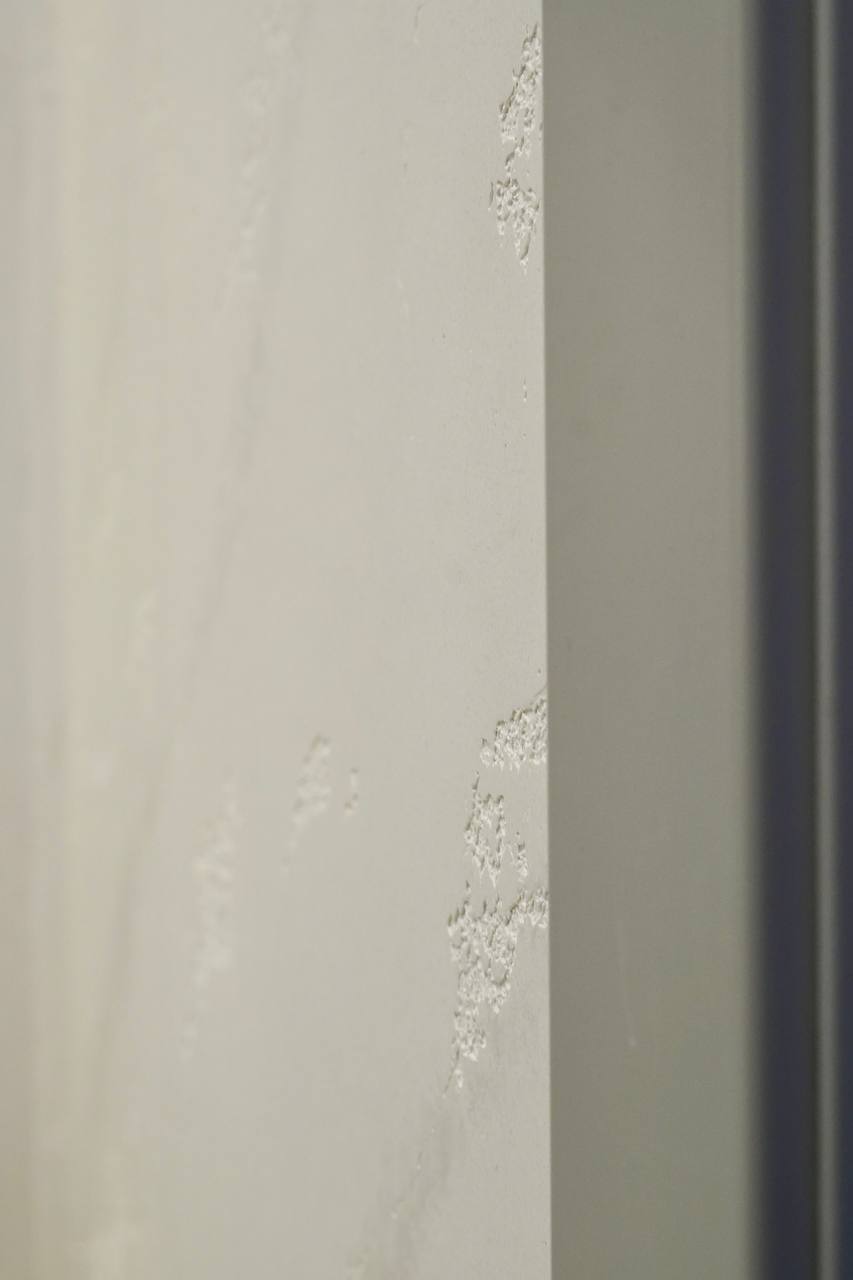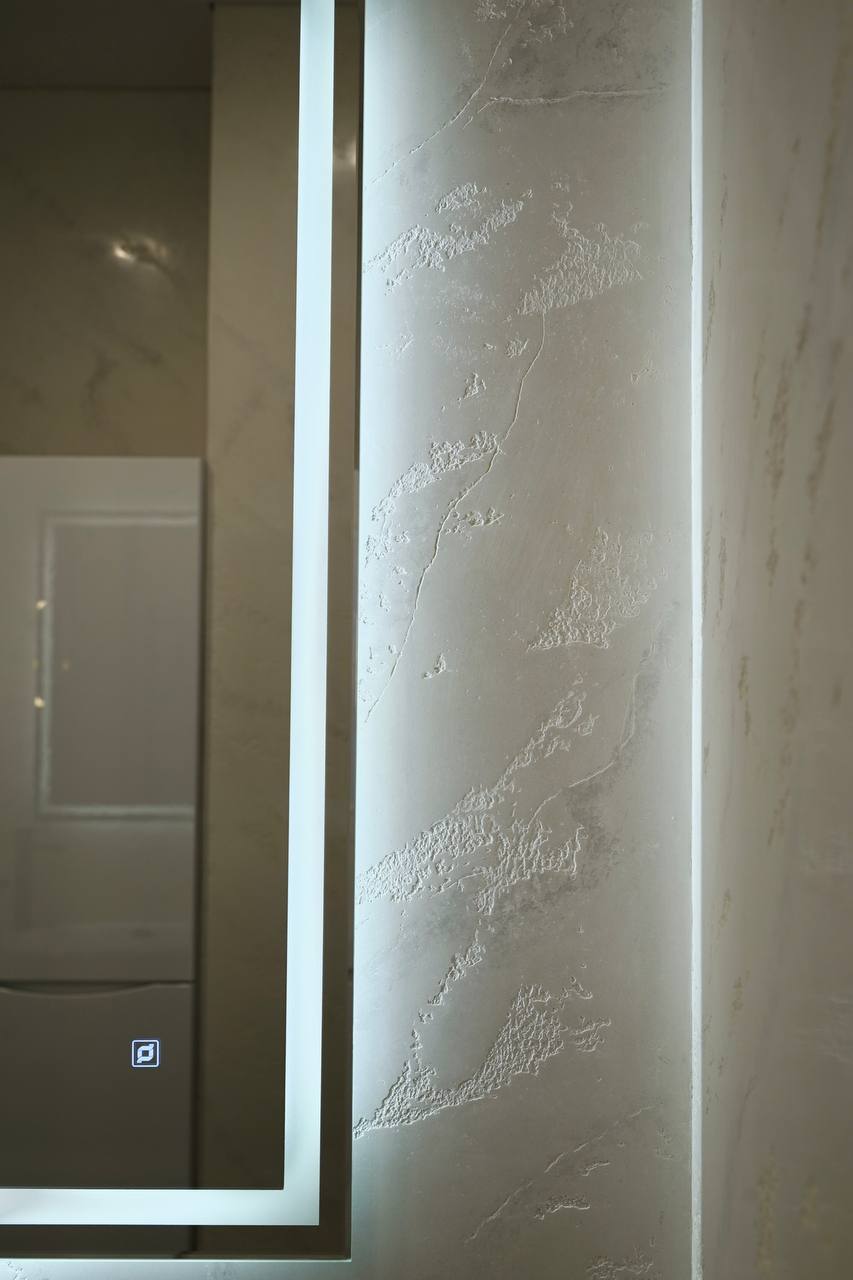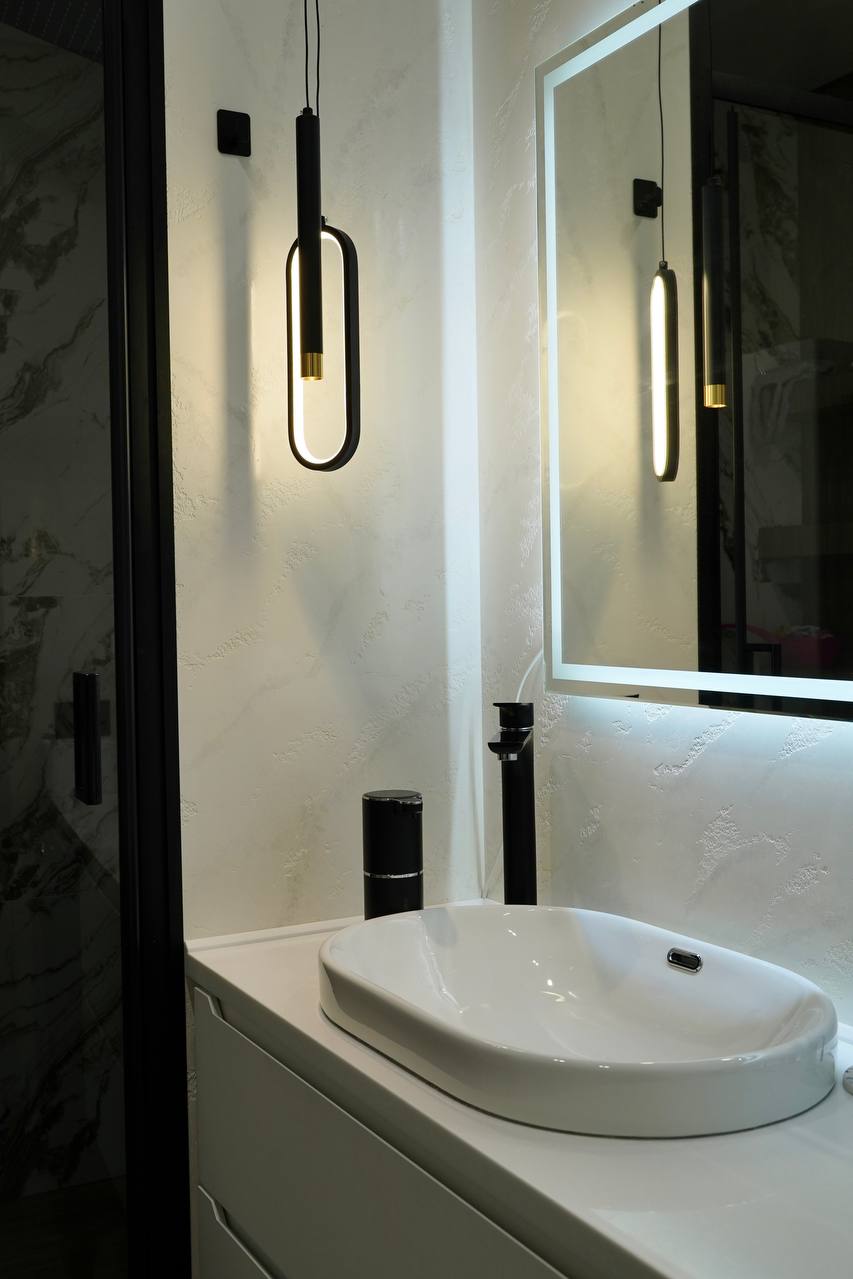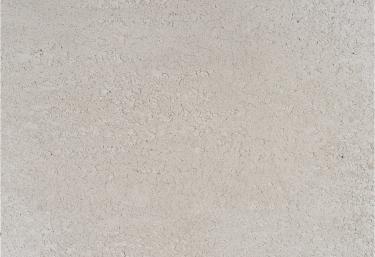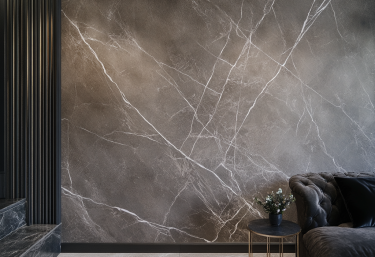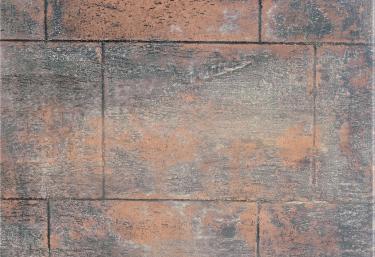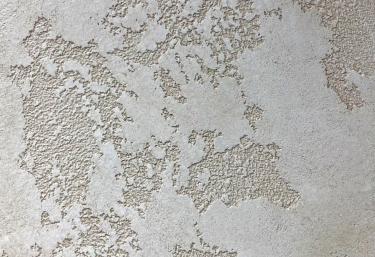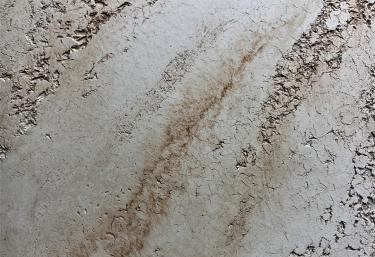


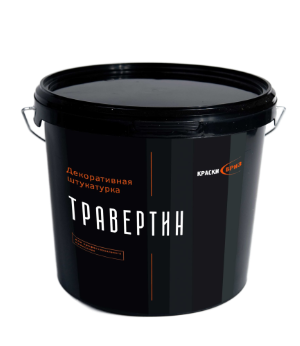
Decorative Plaster "Travertine" (WD-AC-569)
— Water-based acrylic decorative plaster
— Suitable for both interior and exterior (façade) applications
— The most versatile and widely used product in the "Travertine" series, thanks to its optimal grain size and excellent workability
Description & Key Features
- Medium (reference-standard) grain size – serves as the benchmark for texture selection and layer composition
- Highly plastic and easy to apply, with excellent modeling properties
- Ideal for a broad range of decorative techniques, including:
• Classic texturing methods
• Natural stone imitations
• Art-concrete and concrete-effect finishes
• Stencil work (holds fine details without slumping)
• Custom handcrafted textures - Perfectly compatible with other Kraski Breez decorative plasters of varying grain sizes—allows blending to achieve desired modeling consistency
- Color blends seamlessly on the surface without separation or layering
- Often used as the base layer in multi-layer decorative systems
- Widely applied in designer furniture for realistic concrete-like surfaces
Technical Guidelines & Limitations
- Not intended for thick applications:
• Maximum thickness without compaction: 2 grain sizes
• Typical “scraping” (sdir) technique at 1.5 grain thickness → consumption ≈ 1.0 kg/m² - Fully cures in 28 days, at which point it reaches high mechanical strength
- May be polished with fine abrasives after curing to achieve a semi-gloss or mirror-like sheen
Performance Characteristics
✔ Wear-resistant
✔ Eco-friendly
✔ Vapor-permeable
✔ Odor-resistant
✔ Moisture-resistant
Material Consumption Guidelines
- Universal Deep-Penetrating Primer (WD-AC-007)
– Purpose: Enhances adhesion, strengthens substrate, dust-proofing
– Consumption: 0.1–0.2 kg/m² (depending on porosity)
– Application: 1 coat - Quartz Primer (WD--AC-558)
– Purpose: Improves adhesion and creates uniform base for finish
– Consumption: 0.15–0.3 kg/m² - Decorative Plaster “Travertine” (WD-AC-569)
– Consumption: 1.0–2.0 kg/m² (varies by technique and layer thickness)
Substrate Requirements
Suitable Surfaces:
• Concrete
• Concrete blocks
• Brick masonry
• Cement and cement plaster
• Gypsum
• Gypsum board and plasterboard panels
• Other mineral substrates
Surface Condition:
• Uniform
• Smooth and leveled
• Dry
• Clean
Preparation Steps:
• Remove loose or flaking old coatings
• Repair cracks and chips with plaster or filler compounds
• Sand filled areas with fine-grit sandpaper
• Dust off with a soft brush or vacuum
Surface Quality Standard: Must meet Q3
Maintenance
— May be cleaned with a damp cloth and mild household cleaners
— Avoid acidic or caustic cleaning agents—they may stain or damage the coating
Shelf Life
12 months from the date of manufacture when stored in original, unopened, hermetically sealed packaging under standard conditions.